

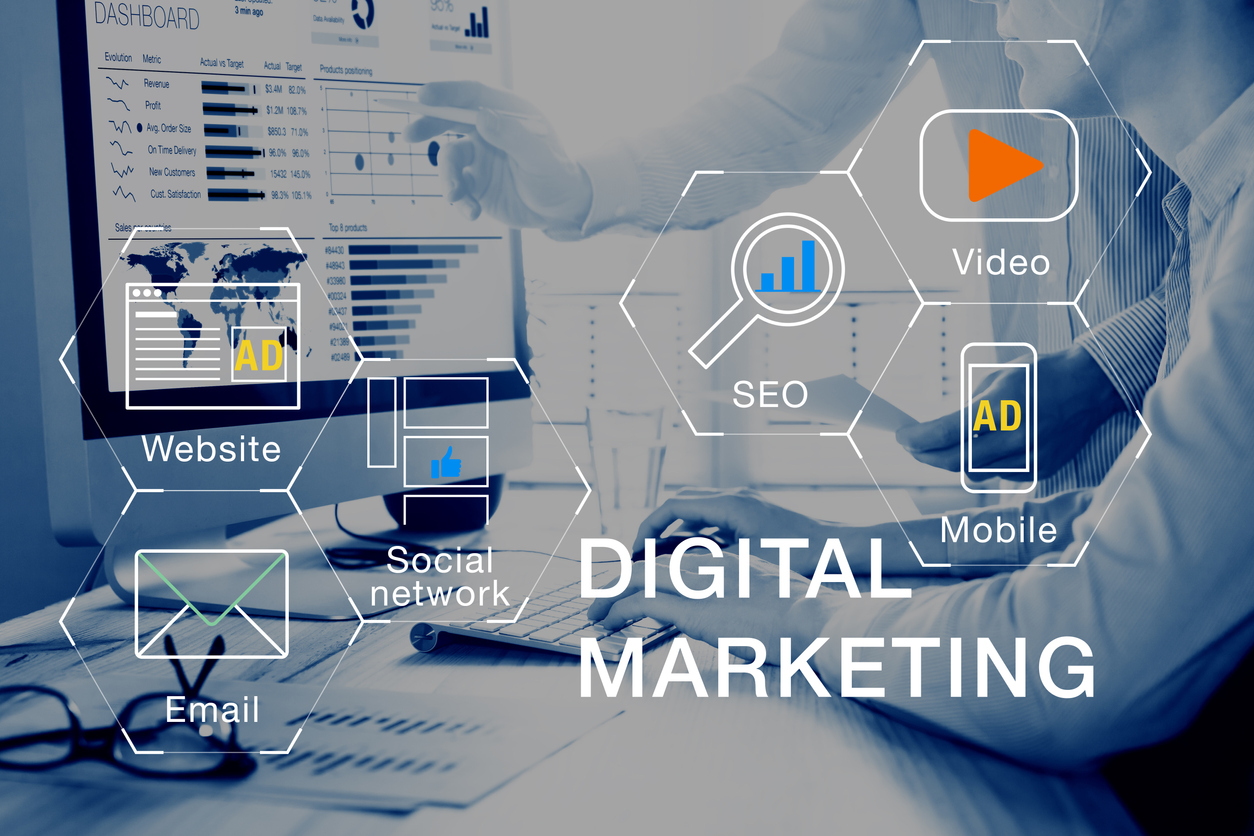
Digital marketing tools play a crucial role in helping businesses connect with customers effectively in the modern digital landscape. In today’s fast-paced online environment, companies must interact with people intelligently and strategically across the platforms where they spend most of their time. These platforms include social media networks, search engines, websites, mobile apps, and email channels. The primary goal of digital marketing tools is to help businesses reach the right audience at the right time through the right platform. Whether customers are browsing websites, checking social media feeds, watching videos, or searching for products online, digital marketing tools allow businesses to communicate with them efficiently and build meaningful relationships. As consumers increasingly rely on digital platforms to research products, compare services, and make purchasing decisions, businesses must adopt effective marketing tools to stay competitive. These tools enable marketers to analyze data, automate campaigns, optimize performance, and deliver personalized experiences that attract and retain customers.
Understanding Digital Marketing Tools
Digital marketing tools are software platforms, applications, and technologies that help businesses plan, execute, and measure marketing campaigns online. These tools support a wide range of activities including search engine optimization, social media management, email marketing, content creation, advertising campaigns, and website analytics.

Organizations use digital channels such as search engines, social media platforms, email newsletters, and online advertising networks to connect with their audiences. Depending on customer behavior and preferences, businesses can engage with users immediately or nurture relationships over time through targeted campaigns. With the help of digital marketing tools, companies can monitor customer engagement, track campaign performance, and refine their strategies based on real-time insights. This data-driven approach allows businesses to continuously improve their marketing efforts and achieve better results.
Top Digital Marketing Tools
There are numerous digital marketing tools available today, each designed to support different aspects of online marketing. However, some tools and strategies stand out as particularly important for businesses looking to strengthen their digital presence.
Social Media Networks
Social media platforms are among the most powerful digital marketing tools available to businesses. These platforms provide opportunities for communication, collaboration, and community engagement between brands and their audiences. Social media networks allow businesses to share content, promote products, interact with customers, and build brand awareness. Platforms such as Facebook, Instagram, LinkedIn, Twitter, and Tikor enable companies to reach millions of users around the world. Businesses use social media marketing to publish engaging posts, run targeted advertising campaigns, and interact directly with followers through comments, messages, and discussions. These interactions help build stronger relationships with customers and increase brand loyalty. Another advantage of social media marketing is its ability to drive traffic to websites. By sharing valuable content, promotions, and updates, businesses can encourage users to visit their websites and explore their products or services.
Search Engine Optimization (SEO)
Search Engine Optimization, commonly referred to as SEO, is one of the most important digital marketing strategies for increasing online visibility.
- SEO involves optimizing websites and content to improve their rankings on search engine results pages.
- When users search for information, products, or services on search engines like Google or Bing, businesses with optimized websites are more likely to appear in the top results.
- Higher rankings lead to increased organic traffic and greater opportunities to attract potential customers.
- SEO strategies focus on improving website content, technical performance, and authority through various techniques.
- These methods help search engines understand the relevance and value of a website’s content.
On-Page SEO
On-page SEO focuses on optimizing individual web pages to improve search rankings. This includes researching relevant keywords with high search volume and incorporating them naturally into website content. By answering common questions and providing useful information, businesses can attract users who are actively searching for solutions related to their products or services. Proper use of headings, meta descriptions, internal links, and structured content also contributes to effective on-page optimization.
Off-Page SEO
Off-page SEO refers to actions taken outside of the website to improve search engine rankings. One of the most important aspects of off-page SEO is building backlinks from reputable websites. Backlinks act as endorsements that signal credibility and authority to search engines. Businesses can acquire backlinks by publishing guest articles, collaborating with other publishers, and creating valuable content that others want to reference. Strong backlink profiles help websites gain better visibility and improve their chances of ranking higher in search results.
Technical SEO
Technical SEO focuses on the backend structure and performance of a website. This includes optimizing website speed, improving mobile responsiveness, organizing site architecture, and ensuring proper indexing by search engines. Technical SEO also involves tasks such as image compression, improving CSS and JavaScript files, and enhancing website security. These technical improvements help search engines crawl websites more efficiently and improve the user experience.Popular SEO ToolsMany specialized tools help businesses implement and manage SEO strategies effectively.
Yoast SEO
Yoast SEO is a popular plugin designed for WordPress websites. It helps users optimize their content by analyzing keyword usage, meta tags, readability, and SEO titles. The tool provides recommendations that improve search engine visibility and content quality.
Google Analytics
Google Analytics is one of the most widely used website analytics tools. It allows businesses to monitor website traffic, user behavior, and engagement patterns. With Google Analytics, organizations can track how many visitors access their website, how long they stay, and which pages they view most frequently. These insights help marketers understand audience interests and refine their marketing strategies.
Keywordtoolio
Keywordtool.io is a powerful keyword research tool used to identify popular search terms across multiple platforms. The tool reveals search volume and keyword suggestions for platforms such as Google, Amazon, YouTube, Bing, Instagram, Twitter, and eBay. By analyzing keyword trends, businesses can develop content that aligns with what users are actively searching for online.
Ahrens Backlink Checker
Ahrens is a well-known SEO tool that helps businesses analyze backlinks and evaluate website authority. The platform provides metrics such as Domain Rating (DR) and URL Rating (UR), which indicate the strength of a website’s backlink profile. Businesses use Hares to monitor backlinks, identify opportunities for link building, and improve their search engine rankings.
Affiliate Marketing
Affiliate marketing is another important digital marketing tool that enables businesses to expand their reach through partnerships. In this model, affiliates promote a company’s products or services and earn commissions for each sale generated through their referral links. Affiliate marketers typically promote products through websites, blogs, social media channels, or email newsletters. When customers purchase products through affiliate links, the affiliate receives a percentage of the sale as compensation.

This strategy benefits both businesses and affiliates. Companies gain exposure to new audiences without upfront advertising costs, while affiliates earn income by promoting products they believe in. Many affiliate programs allow individuals to join without paying sign-up fees. Affiliates can choose promotional materials such as banners, advertisements, or referral links to display on their websites or platforms.
Pay-Per-Click (PPC) Advertising
- Pay-per-click advertising is a popular digital marketing strategy in which advertisers pay a fee each time someone clicks on their advertisement.
- PPC campaigns are commonly used on search engines like Google and Bing, where advertisements appear on search results pages.
- PPC advertising allows businesses to gain immediate visibility by placing ads at the top of search results.
- This method can generate traffic quickly and help businesses reach customers actively searching for specific products or services.
- There are several common formats used in PPC advertising.
Text Advertising
Text ads are simple advertisements composed of written content created by advertisers. These ads typically appear on search engine results pages and are triggered by specific keywords entered by users. Text advertising is one of the most widely used PPC formats because it targets users who are already searching for relevant information.
Display Advertising
Display advertising involves visual advertisements such as images, graphics, or animated banners. These ads appear across websites within advertising networks and attract attention through visual elements. Display ads are effective for increasing brand awareness and capturing user interest while they browse online content.
Shopping Advertising
Shopping ads appear when users search for products on search engines or e-commerce platforms. These advertisements often include product images, pricing details, ratings, and product descriptions. Shopping ads help users compare products quickly and make purchasing decisions more efficiently.
Landing Page Tools
Landing page tools are essential for converting website visitors into leads or customers. A landing page is a dedicated web page designed to encourage users to take a specific action, such as subscribing to a newsletter, downloading a resource, or purchasing a product.
Lead pages
Lead pages is a popular tool used to create high-converting landing pages. It offers customizable templates that allow businesses to design pages quickly without advanced technical skills. Businesses can use Lead pages to collect email addresses, offer lead magnets, and integrate email marketing automation systems to nurture leads.
Click Funnels
Click Funnels is a platform designed to create marketing funnels that guide customers through the buying process. A funnel typically includes multiple landing pages designed to capture leads, promote products, and encourage purchases. The platform simplifies the process of building sales funnels without requiring extensive technical knowledge, coding experience, or complex integrations.
Optimizers
Optimize Press is another landing page builder designed specifically for WordPress users. It allows businesses to create professional landing pages that match the design of their websites. With customizable templates and drag-and-drop editing features, Optimize Press makes it easy to build pages for lead generation, product sales, webinars, and membership programs.
The Importance of Digital Marketing Tools
Digital marketing tools provide businesses with powerful resources to connect with audiences, analyze data, and improve marketing performance. By using the right tools, companies can streamline workflows, automate repetitive tasks, and make better marketing decisions.

These tools also enable businesses to experiment with new marketing strategies and measure their effectiveness. Through continuous testing and optimization, organizations can discover what works best for their target audience.
Conclusion
Digital marketing tools are essential for businesses seeking to grow their online presence and engage effectively with customers in today’s digital world. From social media platforms and SEO tools to affiliate marketing systems and landing page builders, these technologies empower businesses to reach audiences across multiple channels. By leveraging digital marketing tools strategically, companies can drive website traffic, increase brand awareness, generate leads, and boost sales.